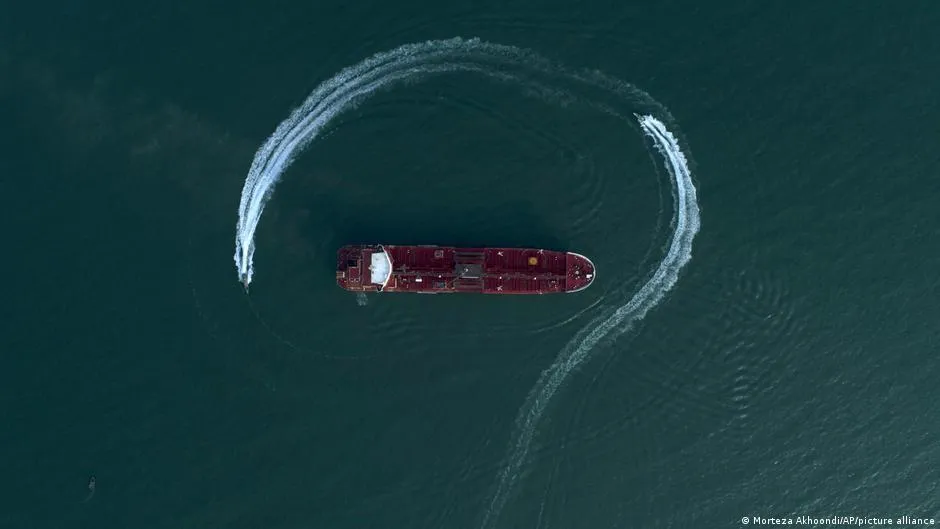
On April 13, 2026, the geopolitical landscape shifted dramatically as the United States military announced it would implement a blockade of all Iranian ports starting at 14:00 GMT. This decision came after failed peace talks in Islamabad, where the US and Iran could not reach a deal to de-escalate tensions. The blockade aims to interdict vessels that have paid tolls to Iran, which has effectively closed the Strait of Hormuz since February 28, 2026. This critical waterway is responsible for transporting a fifth of the world’s oil and liquefied natural gas (LNG), making the implications of this blockade profound.
As the clock ticked down to the blockade’s commencement, oil prices surged above $100 a barrel, reflecting the immediate market reaction to the heightened tensions. The blockade is expected to exacerbate the ongoing global energy crisis, with analysts predicting that prices could rise above $150 a barrel if retaliatory actions occur. As of April 9, 2026, approximately 3,200 vessels were stranded west of the Strait of Hormuz, unable to transit due to the blockade, further complicating global supply chains.
Iran’s Islamic Revolutionary Guards issued stern warnings that any military vessels approaching the strait would be considered a breach of ceasefire. In response, the US military’s Central Command assured that vessels transiting to and from non-Iranian ports would not be impeded, attempting to mitigate fears of a broader conflict. However, Iran’s parliament speaker, Mohammad Bagher Ghalibaf, stated, “If they fight, we will fight, and if they come forward with logic, we will deal with logic,” indicating a readiness to respond to any military provocations.
The blockade represents a significant reversal in US policy regarding Iranian oil exports, which had previously seen a more lenient approach. Former President Donald Trump emphasized the illegality of Iran’s actions, stating, “Iran will not be allowed to profit off this Illegal Act of EXTORTION.” This shift in strategy underscores the escalating tensions between the two nations and the potential for a wider conflict in the region.
French President Emmanuel Macron called for diplomatic solutions, stating, “No effort must be spared to swiftly reach, through diplomatic means, a strong and lasting settlement to the conflict in the Middle East.” His remarks highlight the international community’s concern over the potential fallout from the blockade and the urgent need for dialogue to prevent further escalation.
As the situation develops, the exact impact of the blockade on global supply chains and commodity prices remains unclear. Analysts are closely monitoring the situation, noting that the wild card in this scenario is the timeframe for any potential military engagement. The uncertainty surrounding Iran-aligned groups’ potential retaliation adds another layer of complexity to an already volatile situation.
In summary, the Iranian blockade has not only disrupted global energy supply but has also heightened geopolitical tensions in the region. With oil prices soaring and vessels stranded, the ramifications of this blockade will likely be felt worldwide, affecting economies and energy markets for the foreseeable future. Details remain unconfirmed regarding the long-term consequences of this blockade and the potential for further conflict in the region.