Introduction
The posting of senior officers within the Nigerian Army is a key element of military strategy and management, reflecting the ongoing efforts to adapt to security challenges in the region. These appointments are not only essential for operational efficacy but also signal shifts in focus regarding national security priorities. Understanding the recent adjustments to senior officer postings is crucial for grasping the current and future landscape of Nigeria’s military operations.
Recent Changes in Postings
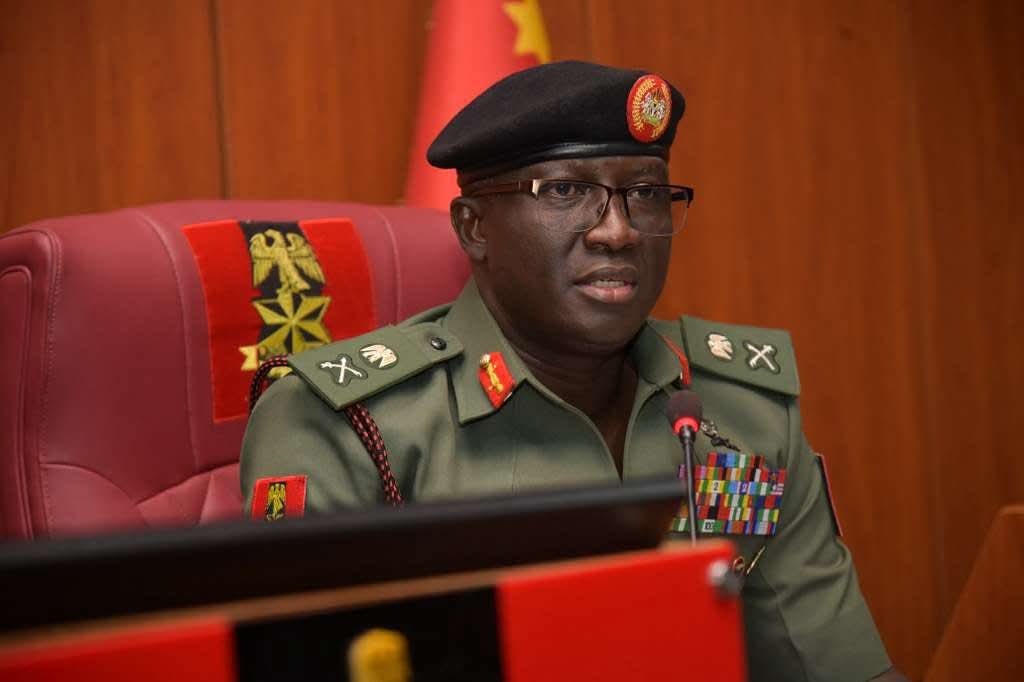
In a recent directive, the Chief of Army Staff, Lieutenant General Taoreed Abiodun Lagbaja, announced a significant reshuffle of several high-ranking officers. This strategic move involves numerous postings and appointments aimed at enhancing the operational capacity of the army amidst ongoing security challenges such as insurgency and banditry. Key appointments include Major General I. A. Auwalu as the new General Officer Commanding (GOC) of the 1 Division, replacing Major General E. T. M. E. A. Okwudili, who has been redeployed for other duties.
Additionally, Major General T. Y. Buratai has been appointed to lead the 3 Division, while Major General R. L. Maude takes command of the 82 Division. These changes are expected to infuse new strategies and vigor in addressing complex security threats across Nigeria. The army leadership emphasized that these postings would be instrumental in maintaining operational readiness and ensuring a swift response to emergencies.
Reactions and Implications
The response to these appointments has generally been positive among military analysts and the public, who view them as necessary to strengthen the command structure of the Nigerian Army. Analysts suggest that by placing experienced officers in critical roles, the Army can better coordinate its responses against both internal and external threats. This viewpoint aligns with the Nigerian government’s ongoing commitment to enhancing national security capabilities.
Conclusion
As the Nigerian Army undertakes these significant transitions in officer postings, it is clear that the institution is preparing to tackle the evolving landscape of security challenges facing the nation. The strategic realignment of its senior officers not only aims to boost operational effectiveness but also emphasizes a renewed commitment to safeguarding Nigeria’s sovereignty. Observers will be keenly watching how these changes play out in terms of operational success, troop morale, and overall peace and security in the region.