Introduction
The issue of fuel import duty is critical in Nigeria, a nation that relies heavily on imported petroleum products to meet its domestic energy needs. Recently, the Tinubu administration announced significant revisions to fuel import duties in an effort to stabilize the economy and alleviate the burden on consumers. This move comes in the wake of rising fuel prices and ongoing economic challenges due to global supply chain disruptions and local factors affecting the energy sector.
Details on Fuel Import Duty Revisions
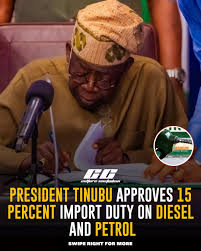
On October 15, 2023, President Bola Ahmed Tinubu unveiled new regulations that modified the existing fuel import duty structure. The government aims to reduce the burden on importers by decreasing the import tariffs on petrol products by 15%. This adjustment is intended to ease the financial pressures faced by consumers while stimulating the economy by encouraging more competitive pricing in the filling stations.
In addition to tariff reductions, the Tinubu government is also implementing measures to enhance local refining capabilities as part of a broader strategy to transition Nigeria towards self-sufficiency in fuel production. This initiative coincides with the anticipated completion of several refinery upgrades in the coming months, which are expected to boost domestic refining capacity.
Impact on Consumers and Economy
The revised fuel import duty structure aims to provide immediate relief to Nigerian consumers, who have faced soaring fuel prices in recent months. As the cost of living continues to escalate, this decision is hoped to stabilize fuel prices at the pumps, which have historically been a critical factor influencing inflation throughout the nation.
Economic analysts have expressed optimism regarding the government’s approach, suggesting that the combination of lower fuel import duties and increased local refining capabilities may lead to improved economic stability in the long run. However, consumers remain cautious, waiting to see if these changes will translate into tangible price reductions at the filling stations.
Conclusion
The Tinubu government’s decision to revise fuel import duties is a significant and timely response to the escalating energy costs affecting millions of Nigerians. While the potential benefits of these policy adjustments may unfold gradually, they underline the administration’s commitment to addressing urgent economic challenges. The effectiveness of these changes will ultimately depend on the government’s continued efforts to enhance local refining operations and maintain economic stability, something that citizens will be keenly monitoring in the months to come.