Introduction
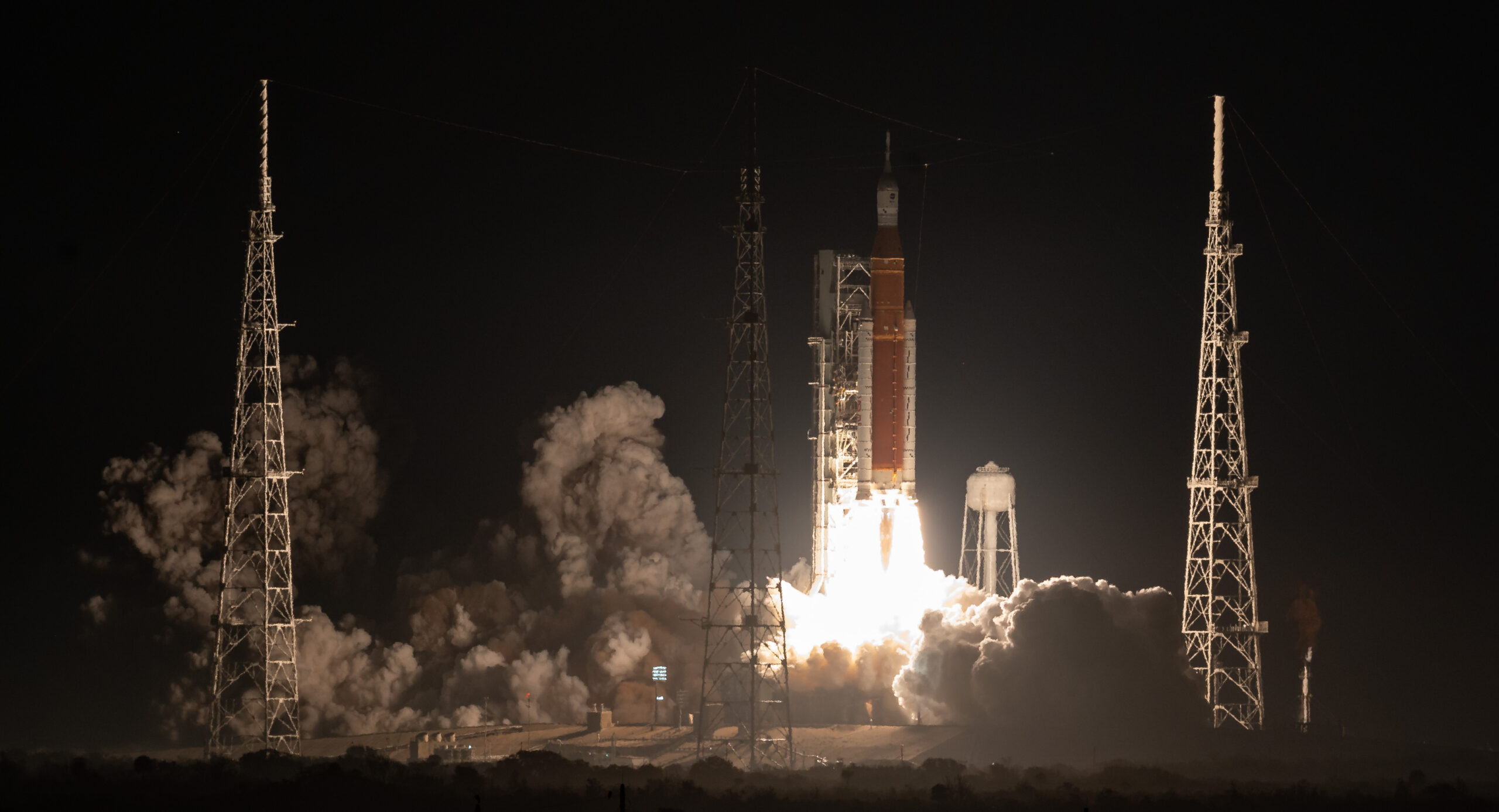
The upcoming NASA Artemis II launch is a landmark event in the field of space exploration, aiming to make significant advancements in human spaceflight. Scheduled for 2024, this mission will be the first crewed flight as part of the Artemis program, which is designed to return astronauts to the Moon and eventually pave the way for future missions to Mars. The significance of this launch cannot be understated as it represents the United States’ renewed commitment to space exploration and its broader implications for international space collaboration.
What is Artemis II?
Artemis II will be the first crewed mission since the Apollo program, and it aims to carry a team of astronauts around the Moon and back to Earth. Unlike Artemis I, which successfully completed an uncrewed test flight earlier this year, Artemis II will test life-support systems and human-rating elements of the Orion spacecraft to ensure safety and reliability for future missions. This mission will mark humanity’s return to deep space travel and is slated to include a diverse team of astronauts, highlighting NASA’s commitment to inclusivity in space exploration.
Current Developments and Preparations
As per NASA’s latest updates, preparations for Artemis II are well underway. The agency has been rigorously testing the Orion spacecraft and the Space Launch System (SLS) rocket to ensure that all systems are functioning as intended. Recently, NASA has also been working on astronaut training and simulating operational scenarios that the crew may encounter during the mission. Additional focus has been placed on ensuring that the spacecraft can support human life during the multi-day mission in space.
International Cooperation and Future Plans
The Artemis program is not just a NASA initiative; it involves collaboration with international space agencies, enhancing global partnerships. This mission is expected to lay the groundwork for building the Lunar Gateway, a space station that will orbit the Moon and serve as a staging point for future lunar missions. Moreover, Artemis II plays a crucial role in NASA’s long-term goal of sending humans to Mars, as the experience gained through this mission will be instrumental in preparing for such an ambitious journey.
Conclusion
In summary, the NASA Artemis II launch represents a pivotal moment in space exploration. With its ambitious goals of returning humans to the Moon and set against the backdrop of heightened international cooperation, this launch is anticipated to inspire a new generation of explorers and innovators. As NASA continues to make strides in preparation for Artemis II, the world watches closely, hopeful for what this mission may achieve in our quest to explore beyond our planet.