Introduction
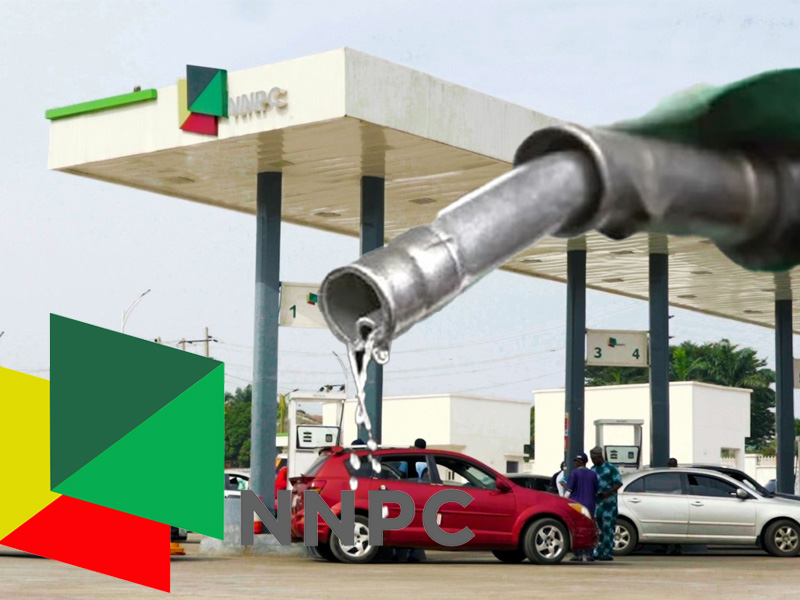
In a noteworthy development for residents of Nigeria’s capital, Abuja, fuel prices at various fuel stations have dropped significantly. This reduction in fuel prices is crucial not only for individual consumers but also for the broader economy, which has been grappling with economic challenges and inflationary pressures. Analyzing this price drop offers insight into its potential implications for transportation costs and everyday living expenses in the city.
Details of the Price Drop
As of this week, reports indicate that the price of petrol in Abuja has fallen to around ₦160 per liter, down from an average of ₦180 per liter observed last month. The price reduction has been attributed to several factors, including a decrease in global oil prices, coupled with the Nigerian government’s ongoing efforts to stabilize the market amid fluctuating crude costs. Fuel stations like Total, Mobil, and independent operators in the region have begun adjusting their prices accordingly, leading to competitive pricing environments that could benefit consumers.
Furthermore, several fuel stations have also reported an increase in customer turnout following the price adjustment. Such a surge in demand may provide temporary relief to the city’s residents, who have been burdened with high transportation costs and associated living expenses due to previous spikes in fuel prices.
Broader Economic Implications
The drop in fuel prices is expected to have multipurpose effects. For motorists, particularly public transport operators, the reduction could lead to lower fares, thereby stimulating more economic activity as the cost of commuting decreases. Moreover, it may provide a short-term reprieve for businesses reliant on transport logistics, affecting everything from food security to retail operations in Abuja.
Analysts remain cautiously optimistic about the sustainability of this drop in prices, as global oil prices are notoriously volatile. Any restoration of high crude prices could lead to an immediate reversal, making this a temporary relief rather than a long-term solution. Furthermore, the Nigerian government’s efforts towards better regulation of the fuel sector are under observation to ensure continuous competitive pricing.
Conclusion
The recent price drop in Abuja’s fuel stations is a positive sign for consumers and businesses alike, providing immediate benefits in terms of reduced commuting and operational costs. However, as global oil markets remain unpredictable, stakeholders will need to monitor the situation closely. Residents are advised to take advantage of this price drop while it lasts but remain aware of potential fluctuations in the future. This development highlights the importance of the fuel sector to Nigeria’s economy, reflecting broader trends and the need for sustainable market solutions.