Introduction
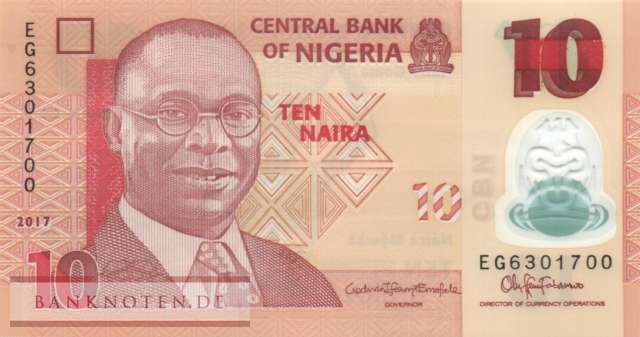
The naira, Nigeria’s official currency, plays a crucial role in the nation’s economy. As Nigeria faces various economic challenges, the naira’s value directly impacts citizens’ purchasing power, inflation rates, and overall economic stability. Recent developments in the currency market have raised concerns among Nigerians, making it essential to understand the current state and future outlook of the naira.
Current State of the Naira
As of October 2023, the naira has continued to struggle against major currencies, particularly the US dollar. The Central Bank of Nigeria (CBN) recently reported that the naira trades at approximately ₦760 to $1 on the parallel market, while the official rate sits around ₦460 to $1. This disparity highlights the ongoing challenges in Nigeria’s foreign exchange market, which has been influenced by fluctuating oil prices—Nigeria’s primary export—and increasing inflation.
Inflation and Economic Impact
Nigeria is grappling with a rising inflation rate, which recently peaked at 23.4%. This increase has led to higher prices for essential goods and services, eroding the purchasing power of the average Nigerian. The depreciation of the naira is a significant contributor to this inflation as imported goods become more expensive, leading to a cycle of price increases throughout the economy.
Government and CBN Interventions
The Nigerian government and the CBN have implemented various strategies aimed at stabilizing the naira. Recent measures include increasing the country’s foreign reserves and introducing incentives for remittances in a bid to boost the local currency’s value. The Aboki FX platform has also faced scrutiny as government officials believe it contributes to the naira’s depreciation through lack of transparency in the parallel market.
Future Outlook
Looking ahead, the future of the naira remains uncertain. Economic analysts suggest that unless there are substantial reforms in Nigeria’s economic policies, particularly regarding foreign investment and trade relations, the naira may continue to decline. Factors such as global oil prices, the ongoing effects of the COVID-19 pandemic, and geopolitical tensions could significantly influence the currency’s trajectory.
Conclusion
The status of the naira is vital for the economic health of Nigeria. With mounting inflation and ongoing challenges in the Nigerian economy, citizens and stakeholders must remain alert to the dynamics affecting the naira. Future policies will be crucial in determining whether the naira can stabilize and regain its value in the face of ongoing challenges. Citizens are encouraged to stay informed and adaptive, as the currency’s fluctuations will continue to impact daily lives and economic conditions in Nigeria.