Introduction
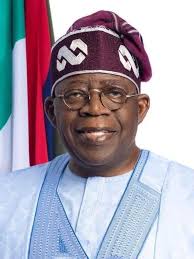
The appointment of permanent secretaries by President Bola Ahmed Tinubu has generated considerable discussion across Nigeria. This critical move is not only pivotal for the functionality of the nation’s ministries but also serves as a demonstration of Tinubu’s strategy for governance. As he assumes leadership, the permanent secretaries are expected to play essential roles in implementing policies that resonate with his administration’s vision.
Details of the Appointment
On October 15, 2023, President Tinubu announced the appointment of 27 permanent secretaries across various ministries in Nigeria. This decision aligns with his administration’s commitment to fostering efficiency and accountability within the federal civil service. Notable appointees include Ella Wazir (Ministry of Transport), Bola Adewunmi (Ministry of Health), and Chima Nduka (Ministry of Education). These appointments come as part of Tinubu’s broader objective to rejuvenate the bureaucratic machinery of Nigeria, ensuring that it meets the challenges of governance in the 21st century.
Implications for Governance
The newly appointed permanent secretaries are tasked with significant responsibilities. They will oversee the operations of their respective ministries and facilitate the execution of government policies and projects. According to the Secretary to the Government of the Federation, George Akume, these appointments are aimed at ensuring that the ministries run smoothly and are responsive to the needs of the citizens. Moreover, the strategic selection of permanent secretaries is anticipated to bolster trust in government institutions by promoting transparency and efficacy in the public service.
Conclusion
The appointments made by President Tinubu signal a renewed focus on effective governance in Nigeria. As the new permanent secretaries take on their roles, the expectations from the public remain high. Their success in enhancing the operational capacity of the ministries could determine the trajectory of Tinubu’s administration in the coming years. Stakeholders and citizens alike will be watching closely to see how these changes will translate into tangible benefits for the Nigerian populace. Moving forward, the effectiveness of these appointees will significantly impact public perception of the government’s capability to deliver on its promises.