Importance of the Tax Ombudsman Role
The introduction of the Tax Ombudsman in Nigeria is a significant step towards enhancing the country’s tax governance and ensuring transparency. The position is designed to resolve disputes between taxpayers and the government, thereby promoting fair tax practices and addressing taxpayer grievances.
Recent Developments
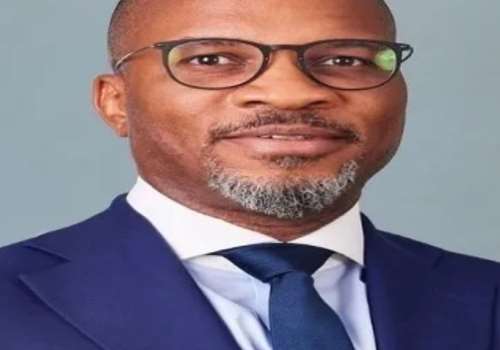
In a recent announcement, the Nigerian government appointed John Nwabueze as the new Tax Ombudsman. With a robust background in taxation and public service, Nwabueze brings years of experience aimed at improving taxpayer engagement and advocacy. His appointment comes at a time when many Nigerians have raised concerns over tax policies and their implementation.
Nwabueze’s primary responsibilities will include reviewing complaints from taxpayers, overseeing the resolution of disputes, and recommending policy adjustments to the tax authorities. Such measures are expected to enhance accountability and provide a clearer, more consistent approach to tax collection in Nigeria.
Challenges Ahead
While the creation of this office is a positive move, it does not come without challenges. Nwabueze will have to navigate complex regulations, public misconceptions about tax responsibilities, and the need for greater awareness among citizens regarding their rights. Additionally, as Nigeria seeks to increase its tax revenue for national development, balancing the tax burden on citizens while ensuring compliance will be critical.
Significance for Nigerians
The establishment of the Tax Ombudsman’s office under John Nwabueze signifies a proactive approach in addressing long-standing issues related to tax collection and administration in Nigeria. This initiative can potentially lead to more equitable tax practices, providing relief for taxpayers and fostering a more transparent relationship between the government and its citizens.
Conclusion
The appointment of John Nwabueze as the Tax Ombudsman is a transformative step in Nigeria’s tax landscape. As he undertakes this significant role, stakeholders are hopeful that his leadership will lead to improved taxpayer satisfaction and enhanced trust in the tax system. With ongoing reforms, the future of tax administration in Nigeria holds the promise of better governance, increased compliance, and a fairer tax environment for all.