Introduction
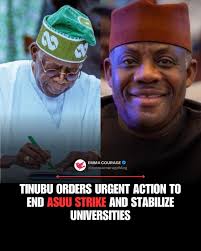
In recent weeks, the ongoing strike by the Academic Staff Union of Universities (ASUU) has led to an educational crisis in Nigeria. With millions of students affected, the resolution of this strike is crucial for the continuity of academic activities in the nation. The recent efforts by President Bola Ahmed Tinubu’s administration to address the demands of ASUU have become a focal point in discussions about the future of education in the country.
The Background of the ASUU Strike
The ASUU strike commenced on 14th February 2022, primarily in response to the federal government’s failure to fulfill agreements regarding funding, salaries, and improved working conditions for university professors. Over the years, these unresolved issues have compelled ASUU to embark on multiple strikes, disrupting the academic calendar and negatively impacting students’ education.
Recent Developments
In an effort to find a resolution, President Tinubu met with ASUU representatives along with other stakeholders in the educational sector on 15th October 2023. During this meeting, Tinubu emphasized the government’s commitment to revitalizing higher education and the necessity of addressing the core issues raised by ASUU, including increased funding for universities and implementation of an improved salary structure for faculty members. He reassured ASUU members of the administration’s readiness to negotiate the terms of the agreements made in previous years.
Furthermore, the Minister of Education, Tahir Mamman, confirmed that a proposal for an immediate release of funds has been put forward to support the needed reforms in public universities.
Public Response and Implications
The response from the public has been mixed; while many are hopeful that political action will bring about a swift resolution, others have expressed skepticism based on the history of unfulfilled promises by previous administrations. Students across the nation have organized peaceful protests urging the government to take tangible steps towards resolving the strike and ensuring that universities reopen immediately.
Conclusion
The resolution of the ASUU strike under Tinubu’s administration is a significant challenge that holds implications for Nigeria’s educational future. A successful negotiation will not only ease the current crisis but may also set a precedent for how the government addresses educational grievances in the future. As discussions progress, the focus will be on the sincerity of the government’s actions and whether they will translate into concrete results for the educational sector. For now, stakeholders remain cautiously optimistic, hoping that this pivotal moment might finally bring about much-needed changes in Nigerian universities.