Introduction
Nnamdi Kanu, the leader of the Indigenous People of Biafra (IPOB), has remained a central figure in the discourse surrounding Nigeria’s political and legal landscape. His ongoing court cases not only reflect the complexities of Nigeria’s legal system but also highlight the tensions surrounding issues of self-determination and justice in the country. The interest in Kanu’s legal battles underscores their significance for many Nigerians, particularly those in the southeast region.
Current Court Proceedings
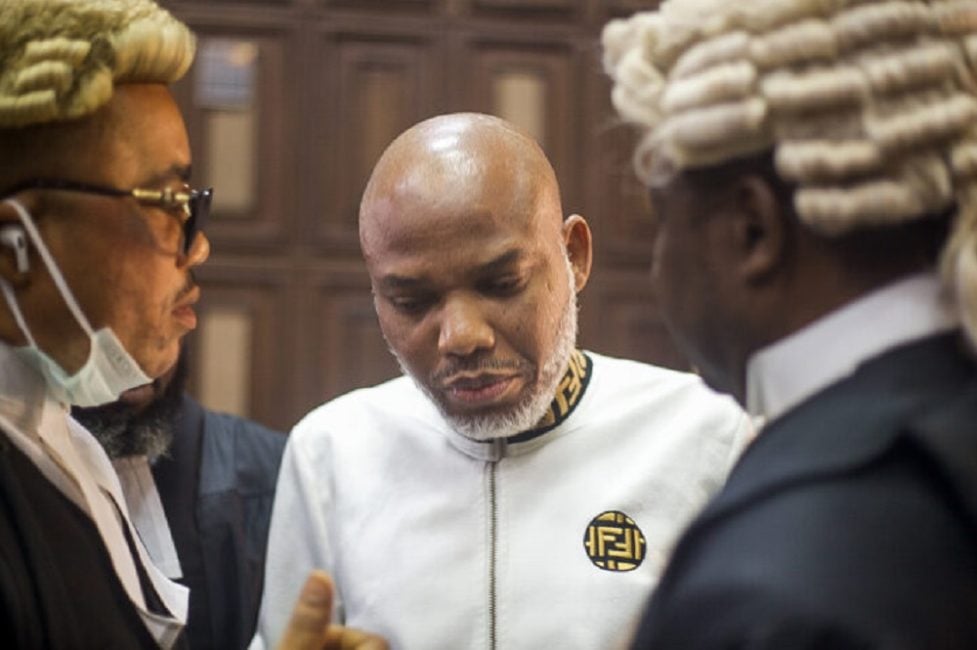
As of October 2023, Nnamdi Kanu has faced various charges, including treasonable felony, which has kept him in detention since his arrest in June 2021. The Federal High Court of Nigeria has been the main venue for his hearings. On October 13, 2023, the court held a session to review the application filed by Kanu’s legal team seeking his release on bail. His lawyers argue that their client has been unlawfully detained and that the charges against him do not hold merit.
During the recent hearing, the judge listened to arguments from both the prosecution and defense. The prosecution claimed that Kanu’s actions pose a threat to national security, while the defense highlighted the need for fundamental human rights to be upheld. The court’s decision is highly anticipated, with various groups monitoring the situation closely, as it could have broad implications for the approach to self-determination movements in Nigeria.
Public Reaction and Implications
The court’s proceedings have been accompanied by widespread public interest and protests from Kanu’s supporters, advocating for his release. Human rights organizations have also weighed in, urging the Nigerian government to respect due process and ensure that Kanu receives a fair trial. The political ramifications of Kanu’s case extend beyond the courtroom, influencing public sentiment in the southeast and possibly affecting the broader national discourse on security and governance.
Conclusion
The ongoing court hearings for Nnamdi Kanu not only represent a pivotal legal battle but also signify deeper societal issues regarding self-identity and governance in Nigeria. As the court prepares to announce its decision, the outcome may either pave the way for greater demands for autonomy in southeastern Nigeria or solidify the government’s position against such movements. Observers predict that Kanu’s case will continue to be a focal point of tension in Nigeria’s political climate, emphasizing the need for a calm resolution to prevent further unrest in the region.