Introduction
In a bid to stimulate economic growth and alleviate financial burdens on citizens and businesses, the Nigerian government has introduced a series of new tax exemptions in 2023. These initiatives come at a crucial time when many sectors are recovering from the impacts of the COVID-19 pandemic and seeking ways to foster growth and innovation.
Details of the Tax Exemptions
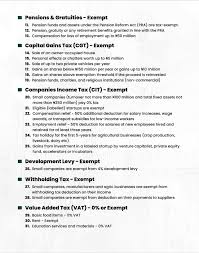
The newly introduced tax exemptions primarily target small and medium-sized enterprises (SMEs) and sectors of the economy deemed vital for national development. For example, businesses involved in agricultural production, renewable energy, and technology innovations now enjoy a wide range of tax relief measures. Under the new provisions, eligible companies can receive exemptions from pay-as-you-earn (PAYE) taxes for their new hires, capital gains taxes on the sale of certain assets, as well as reductions in corporate income tax rates.
Additionally, the Nigerian Federal Government has also implemented a tax holiday period for startups operating within specific sectors for up to five years. This initiative is designed to foster entrepreneurship and encourage the establishment of more businesses that can create employment opportunities.
Reactions and Impacts
Reactions from industry stakeholders have been largely positive, with many viewing these measures as necessary steps towards enhancing the business environment. The Nigerian Economic Summit Group (NESG) noted that these tax measures could potentially attract foreign investment into the country, as prospective investors often look for favorable tax regimes when considering new markets.
Moreover, the exemptions are expected to significantly ease operational costs for SMEs, which contribute approximately 50% to Nigeria’s GDP and employ about 60% of the workforce. By reducing the tax burdens, business owners may reinvest their savings into expansion, thus driving job creation.
Conclusion
As Nigeria moves forward with its economic recovery efforts in 2023, these new tax exemptions are pivotal in reshaping the landscape for businesses. With the government’s continued focus on supporting key sectors and small businesses, the potential for economic revitalization looks promising. Stakeholders eagerly anticipate the long-term impacts of these exemptions and their overall contribution to Nigeria’s goal of becoming a leading economy in Africa.