Introduction
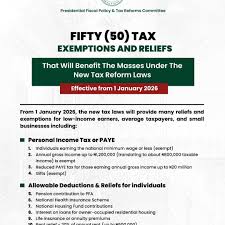
As countries continue to adapt their fiscal policies to stimulate growth and support citizens, tax exemptions play a crucial role in Nigeria’s economic landscape. The upcoming fiscal changes set for 2026 promise to introduce significant tax exemptions aimed at encouraging investment and easing the burden on lower-income households. Understanding these future tax exemptions is vital for businesses and individuals alike, as it can significantly impact financial planning and economic decisions.
Key Developments on Tax Exemptions
According to the Federal Inland Revenue Service (FIRS), the proposed tax reforms scheduled for 2026 will focus on various sectors, including small businesses, startups, and essential goods. The primary goal is to enhance economic activity while ensuring a fair taxation process. Among the most notable exemptions expected is an extension of tax relief for sectors crucial for economic recovery post-COVID-19.
For instance, small and medium-sized enterprises (SMEs) may be granted a three-year tax holiday, aiming to stimulate growth and create jobs. Additionally, organizations contributing to the health sector, agriculture, and renewable energy are likely to see significant tax reductions, fostering innovation and sustainability.
Impacts on taxpayers
The anticipated changes are projected to have substantial impacts on the average taxpayer. The government aims to relieve lower-income families by increasing exemption thresholds, allowing more individuals to benefit from tax-free income. Furthermore, students and low-income earners may be eligible for education-related tax deductions, providing additional support for those seeking higher education.
Conclusion
The tax exemptions set for 2026 in Nigeria signify a strategic shift in tax policy aimed at fostering economic stability and growth. By providing relief to SMEs and individuals, the government hopes to catalyze economic development across various sectors. As these changes are implemented, taxpayers should remain informed to capitalize on potential benefits. The significance of understanding these upcoming tax policy changes cannot be overstated, as they will shape the economic landscape and directly impact the financial wellbeing of many Nigerians.