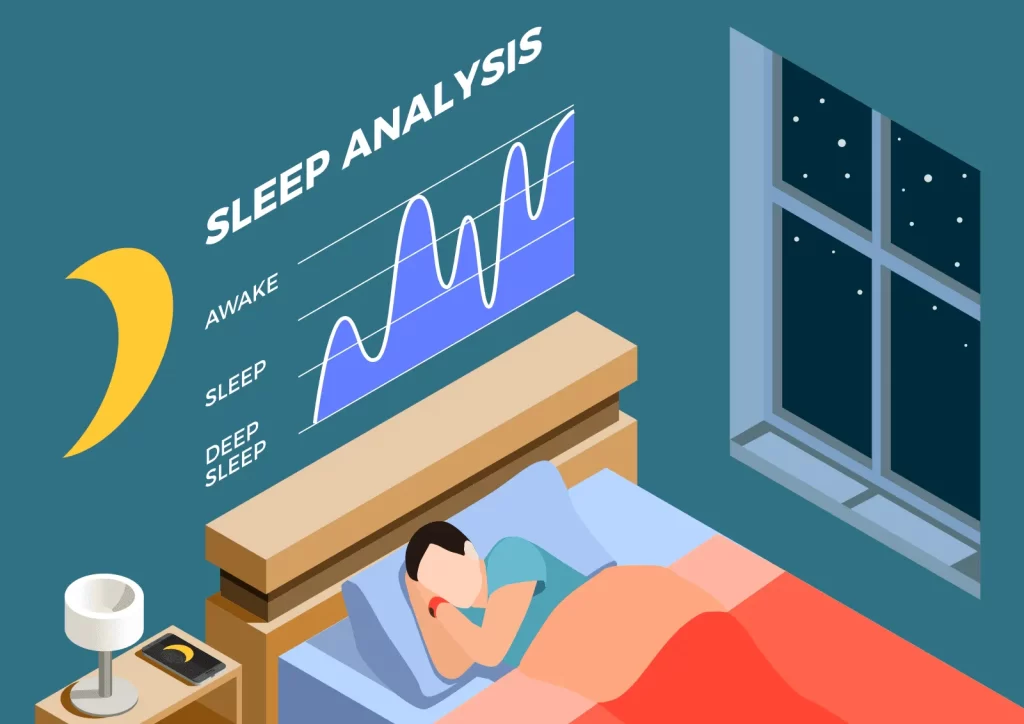
Introduction to Sleep Subtypes
The study of sleep subtypes has gained significant attention in recent years due to its implications on mental and physical health. As sleep plays a crucial role in overall well-being, understanding these subtypes can help in managing sleep disorders and improving sleep quality.
Details of the 5 Sleep Subtypes Study
Recent research led by a team at the University of California aims to categorize sleep into five distinct subtypes. These are:
- Insomniacs: Characterized by difficulty initiating or maintaining sleep.
- Early Risers: Individuals who wake up much earlier than desired.
- Night Owls: Those that prefer to stay up late and rise late.
- Restless Sleepers: People who experience disrupted sleep patterns, often waking multiple times.
- Healthy Sleepers: Individuals who sleep consistently and wake feeling rested.
This classification provides insight into how different sleep patterns affect health, with researchers noting that each subtype may have distinct biological markers and associated health risks.
Significance of the Study Findings
The findings from this study suggest that understanding individual sleep types can lead to more tailored interventions for sleep disorders. For instance, those classified as insomniacs might benefit from cognitive behavioral therapy specifically designed for insomnia, while early risers may need strategies to adjust their sleep schedules to mitigate fatigue. Furthermore, public health initiatives can be informed by these findings to address the broader impacts of sleep quality on health outcomes, such as depression and chronic illnesses.
Conclusion and Future Directions
Overall, the exploration of sleep subtypes is a promising field that could revolutionize how sleep disorders are approached and treated. Experts believe that continued research will unveil more connections between sleep patterns and health, potentially leading to new therapeutic strategies. As more healthcare providers prioritize addressing sleep quality, understanding these subtypes will be crucial in promoting healthier lifestyles and improving patient outcomes.