Introduction
The ongoing outbreak of the Nipah virus has raised alarms globally due to its high mortality rate and potential for transmission. With recent cases reported in regions such as India, understanding this virus and the implications of its outbreak is crucial for public health safety. The Nipah virus, initially identified in 1999, is known for its severe implications, with a fatality rate ranging from 40% to 75% in diagnosed cases.
Current Situation
As of October 2023, authorities in Kerala, India, have reported several cases of Nipah virus infection. The state health department confirmed that three people have died due to the infection, and several others are currently under observation. The surge of cases has prompted the government to enhance surveillance and implement health measures to contain the spread.
The primary mode of transmission of the Nipah virus is through fruit bats and infected pigs, but human-to-human transmission has also been documented. Symptoms often start with flu-like signs, progressing to encephalitis and respiratory distress. Notably, there are currently no established treatments or vaccines for this virus, making containment efforts critical.
Response Measures
In response to the outbreak, health officials have initiated extensive contact tracing of infected individuals. Public awareness campaigns are being conducted to educate citizens about the symptoms associated with the virus and the importance of seeking early medical intervention. Quarantine protocols have also been reinstated in some areas to prevent further infection.
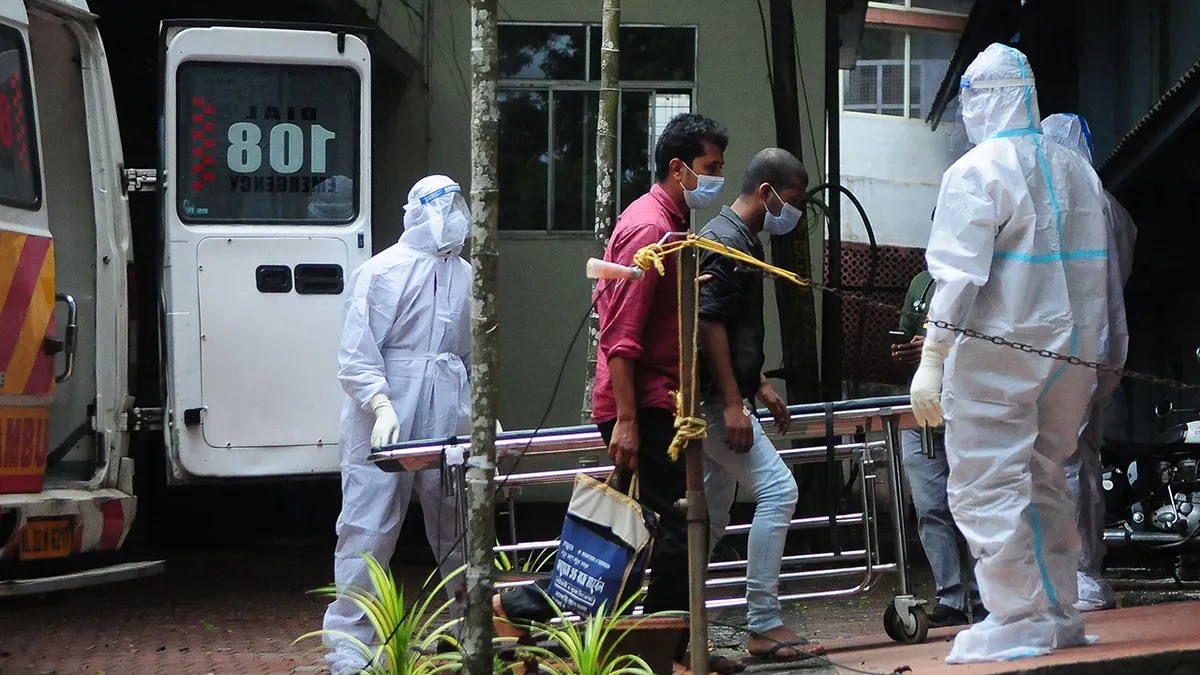
Moreover, healthcare workers in affected regions are advised to adhere to strict hygiene measures, including wearing personal protective equipment (PPE) while handling suspected cases. The Indian government is working in close collaboration with the World Health Organization (WHO) to mitigate the risks associated with this outbreak and to provide timely updates to the public.
Conclusion
The Nipah virus outbreak serves as a critical reminder of how zoonotic diseases can impact communities and challenge public health systems. While immediate measures are being taken to manage the spread of the virus, it is essential for communities to remain vigilant and informed. Experts predict that with global travel and climate change, the emergence of similar outbreaks in the future is likely. Therefore, investing in research for vaccines and effective treatments is imperative to safeguard public health.