Introduction
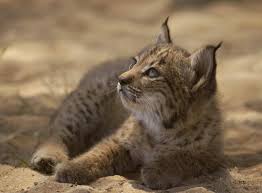
The Iberian Lynx, a rare and iconic feline species, holds significant ecological and cultural value in Spain and Portugal. As the most endangered cat species in the world, its survival is crucial not only for biodiversity but also for the preservation of its unique habitat. Recent conservation efforts have aimed to increase the population of this striking creature, invoking a greater awareness around the importance of wildlife preservation.
The Status of the Iberian Lynx
According to the International Union for Conservation of Nature (IUCN), the Iberian Lynx (Lynx pardinus) was classified as critically endangered, with estimates numbering around 250 individuals remaining in the wild as of the latest assessments. This sharp decline in population is primarily due to habitat destruction, decline in prey availability—especially the European wild rabbit, which comprises 80% of their diet—and vehicle collisions on busy roads. Important regions for the Iberian Lynx include the Doñana National Park in Spain and the Sierra de Andújar, whereas previous populations in other areas have diminished drastically.
Conservation Efforts
In response to these pressing threats, various conservation programs initiated by the Spanish government and wildlife organizations have been implemented since the early 2000s. These efforts have included breeding programs, habitat restoration projects, and public awareness campaigns. The ‘Iberian Lynx Recovery Plan’, officially set in motion in 2002, has successfully increased the number of lynxes in designated areas from fewer than 94 critically endangered cats to over 400 in recent years. Wildlife corridors to mitigate road accidents and assist in the movement of lynxes between habitats have also been crucial in these conservation activities.
The Importance of the Iberian Lynx
The Iberian Lynx is not just vital for its unique characteristics and ecological role; it also represents the integrity of Europe’s biodiversity. The survival of this species is a barometer for the health of its environment, signaling whether habitats can sustain life amidst changing landscapes due to agriculture, urban development, and climate change. Furthermore, the success of conservation programs involving the Iberian Lynx serves as a model for preserving other endangered species globally.
Conclusion
Conserving the Iberian Lynx extends beyond saving a single species; it is about maintaining an ecosystem rich in biodiversity. While concerted efforts have begun to show positive results, continued support from local communities, conservationists, and governmental bodies is essential for the lynx’s survival. A future where the Iberian Lynx roams freely in its natural habitat not only uplifts the local ecosystems but also symbolizes hope concerning our ability to protect and preserve the world’s endangered wildlife.