Introduction
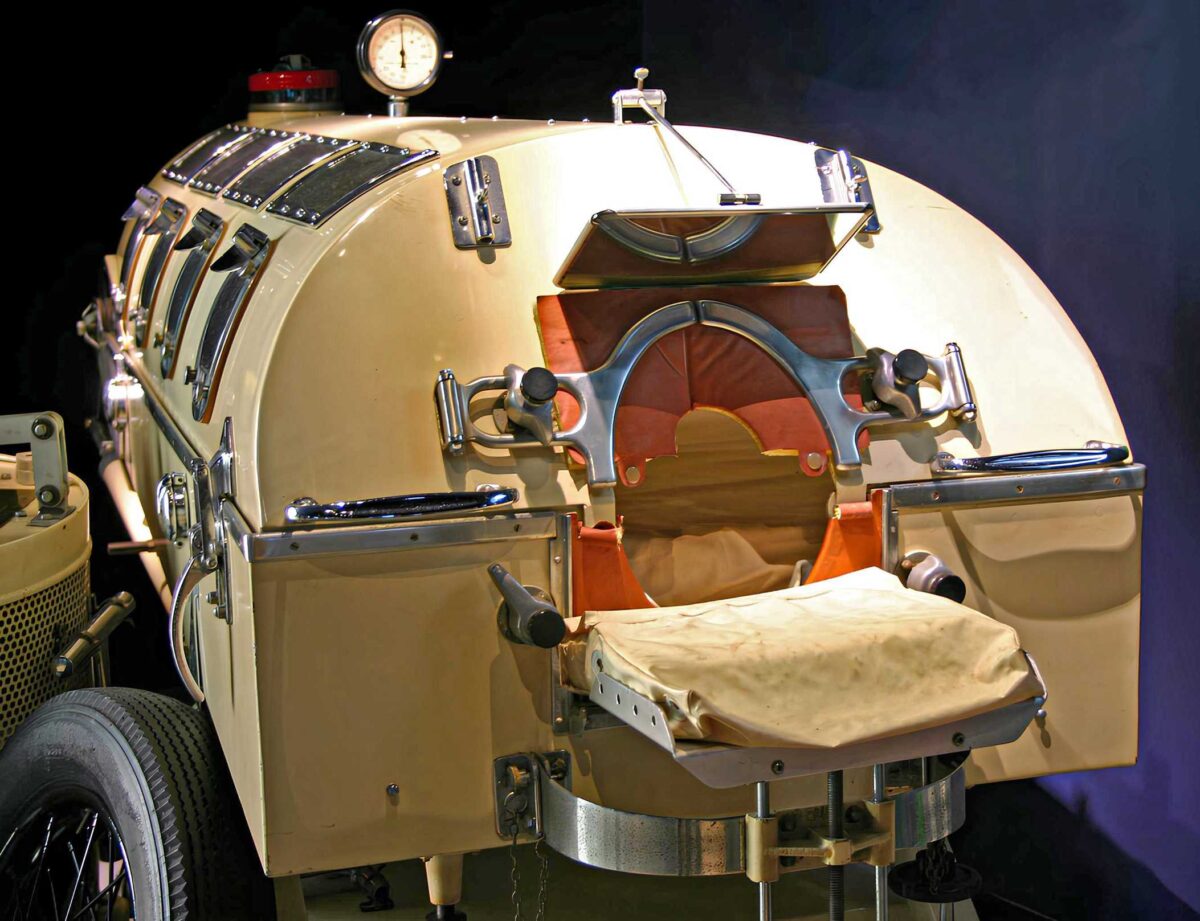
The iron lung, a mechanical respirator used in the mid-20th century, played a crucial role in the treatment of polio victims who suffered from respiratory paralysis. In recent months, discussions surrounding its significance have resurfaced, particularly with a new wave of emphasis on historical medical technologies. This article highlights the importance of the iron lung, its impact in past epidemics, and the lessons learned that remain relevant today.
The Role of the Iron Lung in Medical History
Invented in the 1920s, the iron lung became a lifesaving device during the polio epidemics that peaked in the 1940s and 1950s. Polio, a viral disease that could lead to paralysis and respiratory failure, saw thousands of patients relying on this machine to breathe. The iron lung mechanically assisted breathing by creating negative pressure around the patient’s body, allowing air to be drawn into the lungs. This innovation gave patients with severe paralysis the chance to survive while awaiting recovery or permanent care.
Recent Developments and Relevance
Interestingly, as of late 2022, the emergence of dipping vaccination rates led to concerns over potential resurgences of polio in various parts of the world. In the United States, health officials have documented isolated cases of polio, reigniting the discussion on the importance of vaccination. In related news, a few functioning iron lungs are still found in hospitals today, offering insight into the past and a reminder of the battles won against diseases like polio.
Modern Parallels
The ongoing COVID-19 pandemic has drawn parallels to the polio crises of the past, emphasizing the importance of medical devices in overcoming respiratory illnesses. While modern ventilators differ significantly from iron lungs, they similarly serve to support patients who cannot breathe independently. The need for reliable mechanical ventilation highlights the instrumental role these devices play in modern medicine and public health.
Conclusion
The iron lung represents a pivotal moment in medical innovation, showcasing humanity’s resilience in the face of health crises. As we grapple with the effects of historical and contemporary viral outbreaks, the lessons learned from the iron lung not only remain relevant but also prompt us to appreciate the extraordinary strides taken in medical advancements. Understanding this history encourages continued vigilance against preventable diseases and reinforces the importance of technological innovation in healthcare.