Introduction
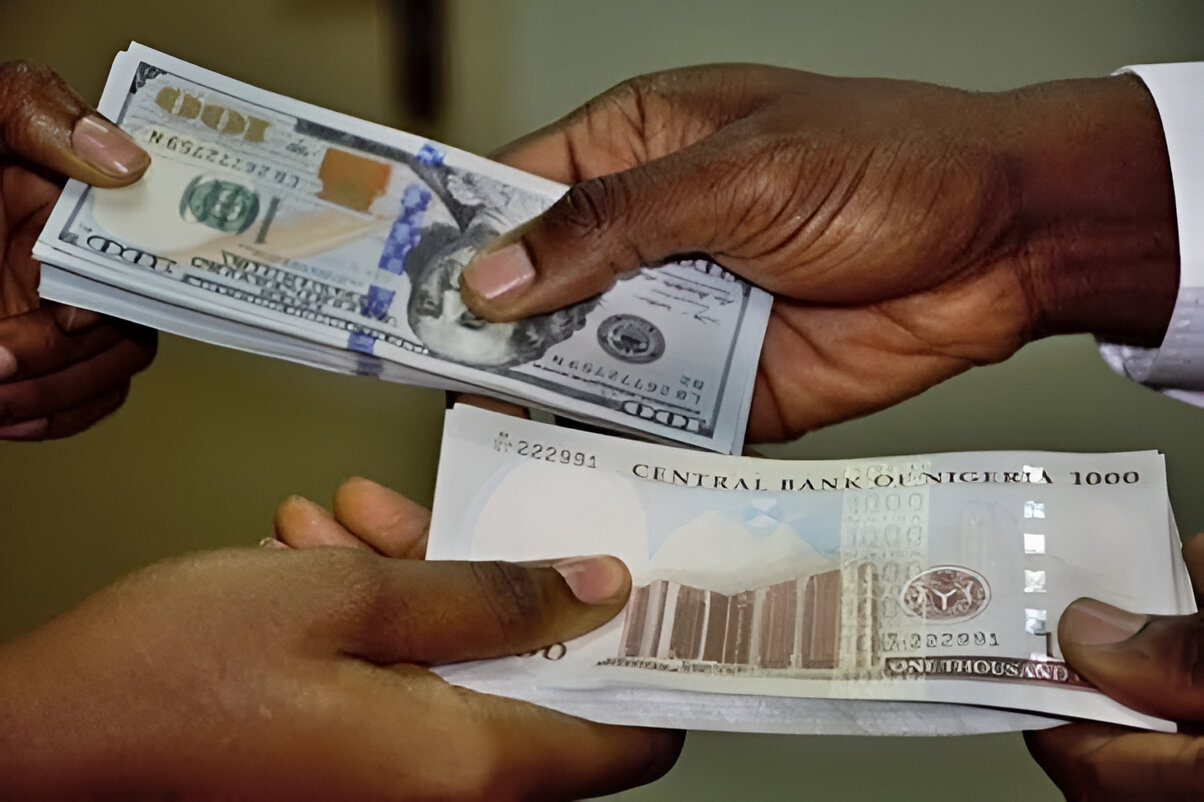
The naira-dollar exchange rate is a critical economic indicator in Nigeria, affecting everything from inflation to purchasing power. As one of the largest economies in Africa, Nigeria’s currency valuation against the US dollar has significant implications for trade, investment, and economic stability. Recently, fluctuations in this exchange rate have drawn attention from traders, investors, and policymakers alike.
Current Exchange Rate Trends
As of October 2023, the naira-dollar exchange rate fluctuates around 950 naira to 1 US dollar in the official market, with black market rates often exceeding 1,200 naira per dollar. These discrepancies between the official and parallel markets arise from the ongoing liquidity challenges and foreign exchange policies that the Central Bank of Nigeria (CBN) has implemented in response to the COVID-19 pandemic and global economic pressures.
In August 2023, the CBN introduced measures aimed at stabilizing the naira, including increasing interventions in the foreign exchange market and promoting policies that encourage remittances and diaspora investments. However, these efforts have seen mixed results, as the naira remains under pressure due to high inflation and low foreign reserves.
Factors Influencing the Exchange Rate
Several key factors contribute to the ongoing volatility of the naira-dollar exchange rate:
- Inflation: Nigeria has been grappling with soaring inflation rates, which diminish the purchasing power of the naira.
- Foreign Exchange Reserves: The depletion of Nigeria’s foreign reserves limits the CBN’s capacity to defend the naira.
- Oil Prices: As a major oil producer, Nigeria’s economy is heavily reliant on oil revenues. Fluctuations in global oil prices directly impact the naira’s value.
- Government Policies: Recent fiscal and monetary policies aimed at controlling inflation and stabilizing the currency can influence investor confidence and the exchange rate.
Conclusion
With uncertainties surrounding global economic conditions and local policies, the outlook for the naira-dollar exchange rate remains mixed. Economists predict that in the near term, foreign exchange pressure may continue unless the CBN successfully implements measures to restore confidence and stabilize the economy. For Nigerian citizens and businesses, understanding these dynamics is crucial, as they impact daily transactions, savings, and overall economic participation.