Introduction
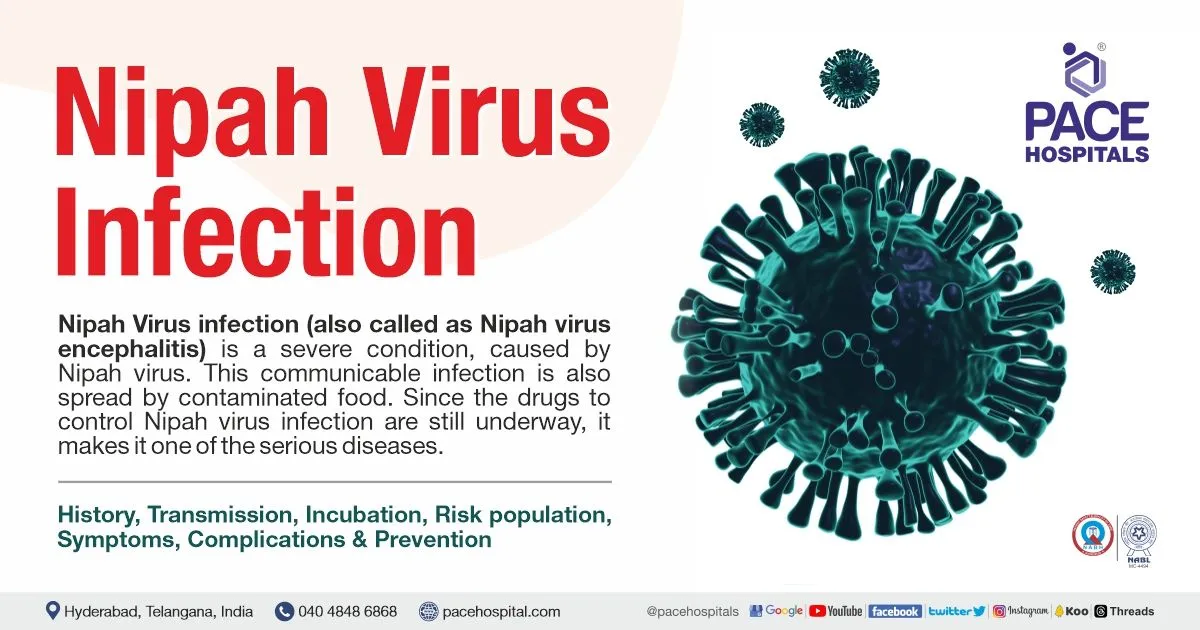
The Nipah virus, a zoonotic pathogen that can cause severe respiratory illness and encephalitis in humans, continues to pose significant public health challenges. In recent months, outbreaks in South Asia have raised concerns about potential spread to other regions, including Nigeria. Given the increasing global travel and wildlife interactions, understanding the Nipah virus is crucial for public safety and health preparedness.
Current Situation and Developments
As of now, Nigeria has not reported any confirmed cases of the Nipah virus. However, ongoing surveillance is vital, especially given the historical context of similar zoonotic outbreaks in the region. The World Health Organization (WHO) has been closely monitoring the situation, particularly the extensive outbreaks reported in Bangladesh and India, where the virus transmission is linked to fruit bats and pig farming.
The Nipah virus was first identified in 1999 following an outbreak in Malaysia, and since then, incidents have occurred in various Asian countries. Its transmission to humans can be influenced by factors such as environmental changes, deforestation, and agriculture practices that disturb bat habitats. The recent rise in Nipah cases in India, particularly in Kerala, has prompted health authorities to reinforce preventive measures, including contact tracing and community awareness campaigns.
Preventive Measures and Preparedness
In response to the ongoing threat, Nigeria’s Centre for Disease Control (NCDC) is taking proactive measures to enhance the country’s readiness for potential outbreaks of the Nipah virus. This includes public health outreach programs aimed at educating communities about avoiding contact with sick animals and understanding the symptoms of the disease.
Public health experts advise that maintaining proper hygiene, cooking food thoroughly, and seeking immediate medical attention for flu-like symptoms can significantly mitigate risks. Nigeria’s health infrastructure, bolstered by lessons learned from past outbreaks like Ebola, is improving its response capabilities for zoonotic diseases.
Conclusion
As the world grapples with the complexities of emerging infectious diseases, the Nipah virus outbreak remains a critical topic for global health security. Continuous research and swift action in monitoring and preparedness are essential in preventing a possible outbreak in Nigeria. Public awareness and community engagement will be pivotal in reducing transmission risks and ensuring safety in the face of potential public health threats.