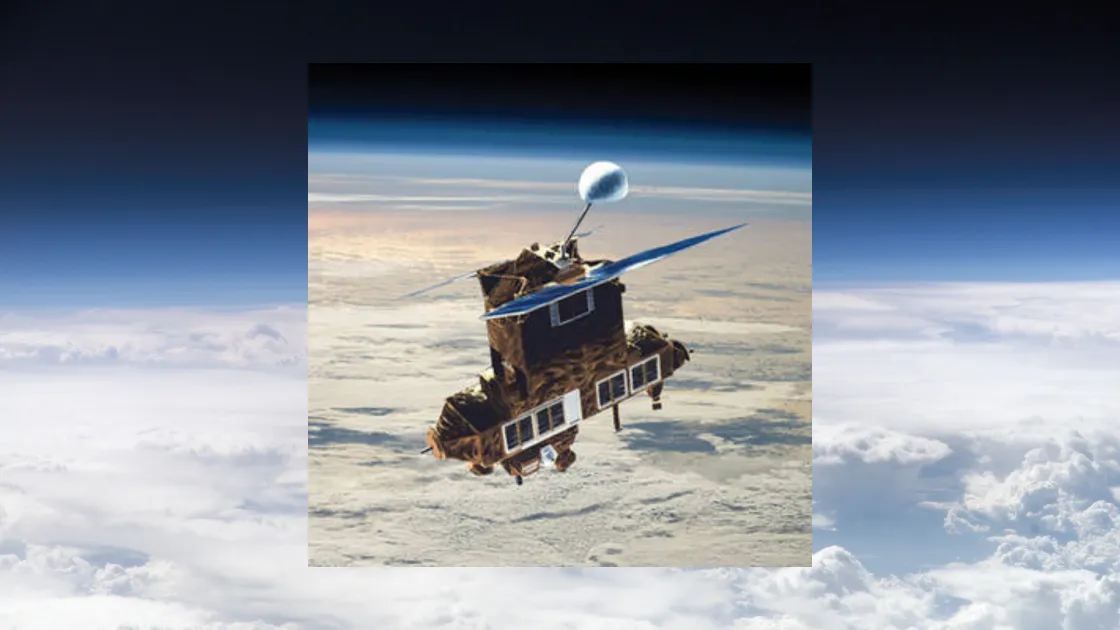
Background on the Van Allen Probes
The Van Allen Probe A and its twin, Van Allen Probe B, were launched to study the radiation belts around Earth. The mission aimed to enhance our understanding of the dynamics of these belts, which are crucial for protecting satellites and astronauts from harmful radiation.
Upcoming Re-Entry
NASA has announced that the Van Allen Probe A satellite is expected to re-enter Earth’s atmosphere after nearly 14 years in orbit. Launched on August 30, 2012, as part of the Van Allen Probes mission, the satellite has provided invaluable data about the Earth’s radiation environment.
The mission officially ended in 2019 when the spacecraft ran out of fuel, but it has continued to orbit the planet. NASA estimates that the satellite will re-enter the atmosphere around 7:45 p.m. ET on March 10, 2026. This event marks the conclusion of a significant chapter in space exploration.
Safety and Risks
NASA has assessed the risks associated with the satellite’s re-entry. The risk of debris harming a person is about one in 4,200, which NASA describes as minimal. Most of the more than 600-kg spacecraft is expected to burn up due to intense heat while passing through Earth’s atmosphere. Experts believe there is a strong possibility that any debris could fall into open ocean areas, minimizing the risk to populated regions.
The chances of the satellite falling in a populous place are very slim, around 0.02 percent. NASA has stated, “The risk of damage on the ground is extremely low,” reassuring the public about the event.
Expert Opinions
Jonathan McDowell, an astrophysicist, commented on the event, saying, “For the average person, it will be a nice light in the sky if you get lucky and, otherwise, don’t worry about it.” This sentiment reflects the general consensus among experts regarding the safety of the re-entry.
Nelofar Mosavi, a researcher involved in the mission, noted, “This mission … broke all the records for a spacecraft to tolerate and operate in that hazardous region, all with no interruptions.” The Van Allen Probes have significantly advanced our understanding of radiation belt physics, as highlighted by Sasha Ukhorskiy, who stated, “The Van Allen Probes rewrote the textbook on radiation belt physics.”
What to Expect Next
NASA and the United States Space Force are closely tracking the satellite and will provide updates as it approaches re-entry. However, details remain unconfirmed regarding the exact location of the re-entry, which could vary by as much as 24 hours. Observers are encouraged to stay informed as the date approaches, ensuring they are aware of any developments related to this significant event in space exploration.