Queen Ants Smuggling Attempt in Nairobi
A Chinese national was arrested in Nairobi, Kenya, for attempting to smuggle over 2,000 live queen ants, a significant incident that highlights the ongoing issues of wildlife trafficking. The suspect, identified as Zhang Kequn, was intercepted at Jomo Kenyatta International Airport during a routine security check prior to a flight to China.
Details of the Seizure
During the inspection, authorities discovered that 1,948 queen ants were stored inside test tubes, while approximately 300 others were cleverly concealed within three rolls of tissue paper. This method of packaging indicates a level of planning and knowledge regarding the transportation of live insects, raising suspicions about Zhang’s potential connections to a wider ant-trafficking network.
The Species Involved
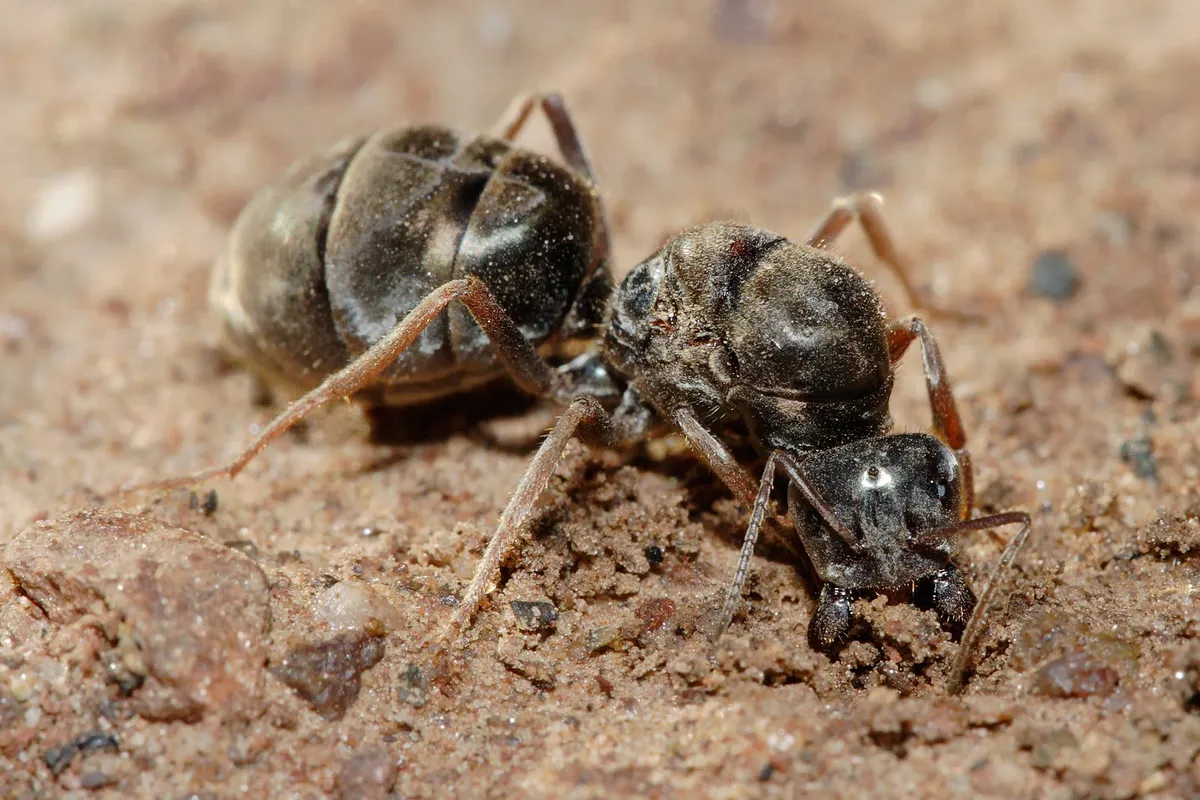
The species involved in this smuggling attempt is known as Messor cephalotes, commonly referred to as the giant African harvester ant. These queen ants are particularly valuable as they can establish entire colonies, making them highly sought after by collectors. The trade of this species is protected under international biodiversity agreements, which impose strict regulations to prevent illegal trafficking.
Implications of the Arrest
The arrest of Zhang Kequn has drawn attention to the serious nature of wildlife trafficking, which is considered a grave offense under Kenya’s Wildlife Conservation and Management Act. Allen Mulama, a spokesperson for the authorities, noted, “The way the insects were packaged suggests careful preparation aimed at keeping them alive during the long journey abroad.” This incident underscores the increasing popularity of ant keeping, which has surged in recent years, particularly in Europe and Asia.
Market Value of Queen Ants
Queen ants like those of the Messor cephalotes species can fetch a significant price on the black market, with estimates ranging from a minimum of 100 euros to a maximum of 200 euros for a single queen. This high value contributes to the motivation behind such smuggling attempts, as collectors seek to acquire these insects for personal or commercial purposes.
Future Investigations
Investigators are now working to determine the full extent of Zhang’s connections to other individuals involved in the trafficking network. Details remain unconfirmed, but the authorities suspect that this case may be part of a larger operation that exploits the demand for exotic insects. The incident serves as a reminder of the ongoing challenges faced by wildlife conservationists in combating illegal trade.
The Kenyan authorities have reiterated their commitment to enforcing wildlife protection laws and cracking down on illegal trafficking operations. As the investigation continues, it is hoped that this case will lead to further insights into the networks involved in the smuggling of queen ants and other protected species.